Climate in Marbella, Spain: Sunshine, Temperatures & Lifestyle
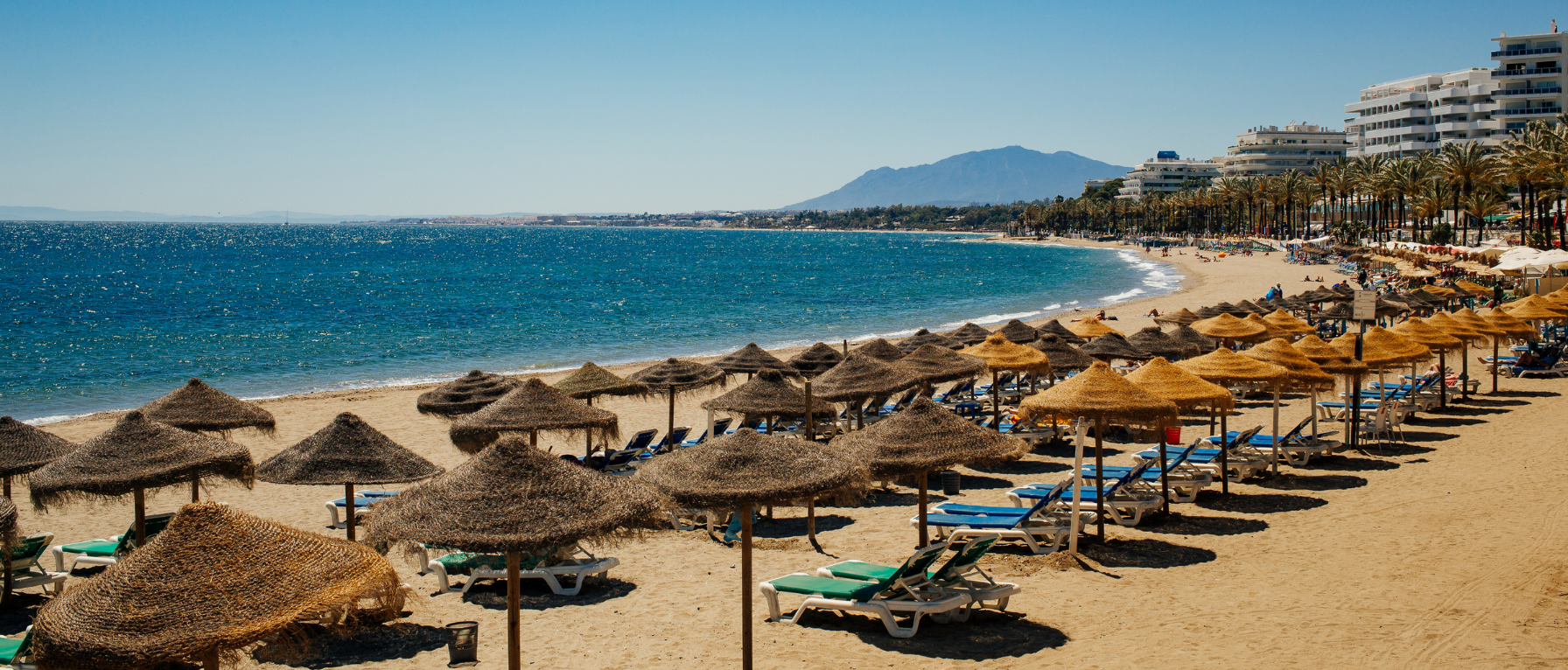
Marbella, located on the Costa del Sol, is internationally renowned for its exceptional climate. Its privileged location between the Mediterranean Sea and the Sierra Blanca mountains provides a unique microclimate that remains pleasant throughout the year. It is no coincidence that many people consider Marbella, Spain, a climate paradise; in fact, the climate in Marbella is often described as one of the best in Europe, with the highest number of sunny days on the continent, allowing for an outdoor lifestyle all year round. Below, we will explore in detail the characteristics of this privileged climate, its effects on daily life, and some practical tips to make the most of it.
A privileged microclimate on the Costa del Sol
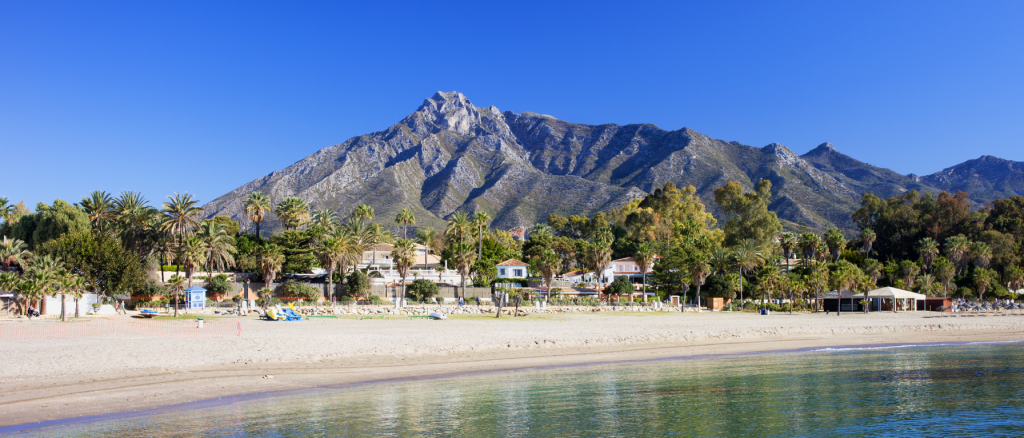
Marbella holds the title of capital of the Costa del Sol, and its fame is largely due to an internationally recognized climate. The city enjoys an especially mild microclimate thanks to unique geographical factors. On one side, the Mediterranean Sea acts as a natural thermostat: in winter, it releases heat that softens the cold, and in summer, it absorbs heat, cooling the environment. On the other side, the Sierra Blanca mountains protect Marbella from extreme winds, blocking cold northern currents in winter (preventing frost) and slowing down hot inland winds in summer. This combination is the key to its moderate temperatures.
As a result, the weather conditions in Marbella show few extreme variations. The average annual temperature is around 18–19 °C, one of the most pleasant in Europe. In addition, the municipality enjoys around 320 days of sunshine per year, an extraordinary figure that fully justifies the name “Costa del Sol.” These facts speak for themselves: Marbella’s climate is warm without being stifling in summer and notably mild in winter.
Temperatures throughout the year
The climate in Marbella is of the subtropical Mediterranean type (Köppen classification Csa), characterized by warm, dry summers and mild winters. Thanks to the microclimate described above, seasonal temperatures are very moderate. In summer, daytime highs usually range between 25 °C and 30 °C on average, with higher peaks during heatwaves (for example, temperatures above 35 °C on exceptional days in July or August). However, due to the sea breeze and low relative humidity, the heat is quite manageable. Summer nights are pleasant, averaging around 20 °C, which allows for enjoyable evenings outdoors.
In contrast, winters in Marbella are remarkably mild. Daytime temperatures in the coldest months (January and February) average around 16–18 °C, much warmer than in most other European regions at that time of year. There have even been winter days reaching 22 °C in the middle of January, something unthinkable in most of the continent. During winter nights, the mercury rarely drops below 8–10 °C, meaning frost is almost non-existent. Overall, Marbella enjoys mild winters with an abundance of sunny days, offering a warm escape while other regions endure intense cold. Therefore, it is no surprise that many Northern Europeans choose this city to spend the winter months.
320 days of sunshine: light and rainfall
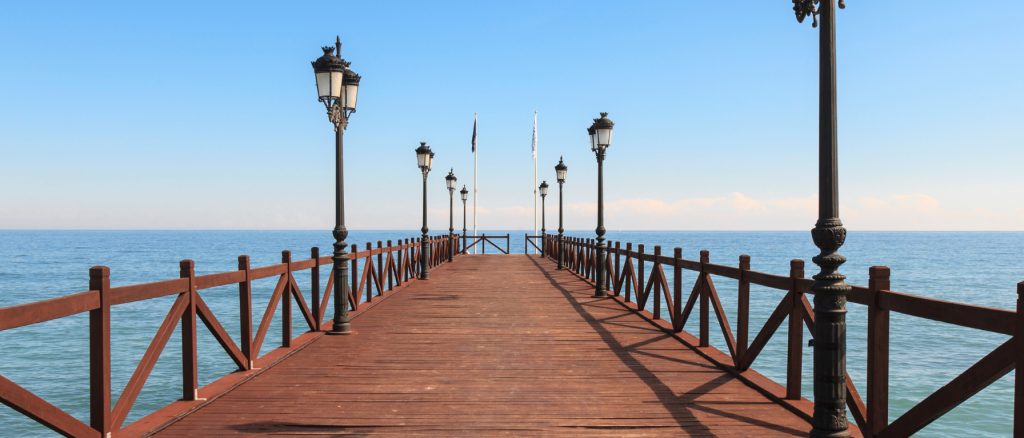
If there is one thing that defines the climate in Marbella, Spain, aside from its pleasant temperatures, it is the abundance of sunshine. With around 320 clear days a year, Marbella is one of the sunniest places in Europe. This translates to approximately 2,900 hours of sunshine annually, a blessing for those who value natural light and blue skies. The benefits of such abundant sunshine are numerous: from the ability to make outdoor plans almost any day to the extra vitamin D intake that enhances well-being.
As for rainfall, it is moderate and concentrated in just a few weeks of the year. The average annual rainfall is around 600–650 mm, similar to other Mediterranean coastal areas. Most precipitation falls in autumn and winter, often as brief but occasionally intense showers. Summers, on the other hand, are very dry: entire weeks (and even months) can pass without a drop of rain during the summer season. This ensures that summer activities are rarely spoiled by the weather.
However, it is worth noting that global climate change is also beginning to make itself felt on the Costa del Sol. In recent years, trends toward even warmer and drier summers have been observed. For example, local reports mention that in the past decade, Marbella has experienced warmer summer nights than usual (minimums above 23 °C) and a reduction in summer rainfall, pushing its climate toward almost tropical patterns. Nevertheless, overall, Marbella’s climate remains stable and privileged, with mild winters and sunny summers, although monitoring these trends is important for the future.
Benefits and lifestyle under Marbella’s sun
Marbella’s climate is not just about numbers; it also profoundly impacts the lifestyle and well-being of residents and visitors. An environment with so many sunny days and warm temperatures has a positive effect on mood and health. In fact, it is no secret that living in a warm, coastal climate can significantly improve both physical and mental health. Numerous studies link greater exposure to the sun (in moderation) with higher vitamin D levels, improved mood, and reduced stress. Therefore, those fortunate enough to live here enjoy an enviable quality of life, with fewer grey days to affect their mood.
Outdoor lifestyle
In addition, Marbella promotes an outdoor lifestyle practically all year round. For example, it is common to see people strolling along the promenade, playing sports, or simply enjoying a coffee on a terrace even in mid-December — something unthinkable in cities with cold winters. Thanks to the climate, you can engage in activities such as golf, tennis, hiking, or water sports in any season. The region is home to dozens of renowned golf courses, attracting international players during months that would be the off-season in their countries. Likewise, the mild winter temperatures allow gardens to remain green and flowers to bloom almost all year, reinforcing the feeling of living in an eternal spring-summer.
The sunny climate also encourages social life. However, when night falls in winter and the temperature cools slightly, Marbella reveals its cosy side: fireplaces, terrace heaters in restaurants, and gatherings in welcoming cafés. These customs, combined with the open Andalusian character, create a warm atmosphere in both a literal and figurative sense. It is hard to live here in winter and not feel grateful to be in such an incredible place, many residents say when comparing Marbella to the harsh winters of their home countries. In short, the Marbella climate enriches daily life, inviting both relaxed rest under the sun and maintaining an active, healthy lifestyle all year round.
Practical tips for enjoying Marbella’s climate
Given that Marbella offers enviable conditions, it is also worth keeping in mind some practical tips to adapt and make the most of its climate:
-
Year-round sun protection: Although Marbella’s sun is usually gentle, it is important to use sunscreen even in winter on clear days. UV radiation is still present, and unaccustomed skin can burn as easily on a January day as in June. Therefore, apply sunscreen and wear sunglasses during peak sun hours.
-
Hydration and appropriate clothing in summer: During the hottest months (July and August), temperatures can approach 30 °C or more. Staying well hydrated — drink water frequently — and wearing light, breathable, light-coloured clothing that reflects the sun is essential. A hat or cap and seeking shade at midday also help prevent heatstroke.
-
Heating during winter nights: Although winter days are mild, nights can feel cool (around 8–10 °C). Homes in Marbella often don’t require strong heating, but having a heating system or fireplace ensures comfort on the coldest mornings. A practical tip is to have a heater or heat pump for such occasions, as coastal buildings are sometimes less insulated due to designs focused on summer living.
But also...
-
Enjoy seasonal activities: Take advantage of each time of year: in summer, beaches and water sports; in spring and autumn, hiking in La Concha mountain or golfing in ideal temperatures; in winter, peaceful strolls through the Old Town without crowds and sunny terraces for lunch. Marbella offers a range of plans according to the season; therefore, plan activities in line with the climate of each month to make the most of every season.
-
Pay attention to specific weather events: While the climate is stable, there can occasionally be heavy rain in autumn/winter or an exceptional heatwave in summer. Stay informed with local forecasts (for example, AEMET) for such cases so you can take precautions (like postponing an excursion in case of a storm or avoiding outdoor exertion during a heat peak). These situations are generally rare, however, being prepared adds safety.
Conclusion
In conclusion, the climate in Marbella, Spain, is one of its greatest attractions and a decisive factor that has made this city a dream destination for living or vacationing. Therefore, it is no wonder that it is promoted as a place of “permanent spring”, where the sun shines most of the year and the temperatures invite relaxation and an active outdoor lifestyle. Whether you are looking to escape harsh winters or enjoy summers less oppressive than in other southern regions, Marbella offers that hard-to-find climate balance.
Beyond the statistics (18–19 °C average, 320 days of sunshine, little rainfall), there is an emotional element: the feeling of well-being when waking up to a blue sky, the joy of walking along the beach in short sleeves in mid-February, or dining outdoors on a warm September night. This overall sense of well-being that the environment provides is, at its core, what captivates those who discover Marbella’s climate.
In short, Marbella boasts a privileged climate that combines the best of the Mediterranean with particular conditions that make it even milder. A climate that soothes and comforts, that improves mood and health, and that allows each day to be lived fully in contact with light and nature. That is why Marbella is much more than sun and beach: it is a lifestyle tied to an exceptional climate. If you are considering visiting or moving to the area, the weather will undoubtedly be your most loyal ally.
Frequently Asked Questions (FAQ)
1. What is the average annual temperature in Marbella?
The average annual temperature is around 18 °C. This reflects a very mild climate throughout the year, without extreme heat or cold.
2. How many days of sunshine does Marbella have each year?
Marbella enjoys approximately 320 days of sunshine per year. This means that most of the year offers sunny conditions, an extraordinary figure in Europe.
3. What are winters like in Marbella?
They are very mild. Daytime highs are usually between 15 and 18 °C, and at night they rarely drop below 8–10 °C. Frost is rare, and sunny days are plentiful.
4. Are summers very hot in Marbella?
Summers are warm but moderate. Afternoons average around 28–30 °C, with occasional heatwaves exceeding 35 °C. The sea breeze helps make the heat more bearable.
5. Does it rain a lot in Marbella?
No, rainfall is scarce. About 600 mm per year falls, mostly in autumn and winter. Summer months are very dry, with very little rain overall.

