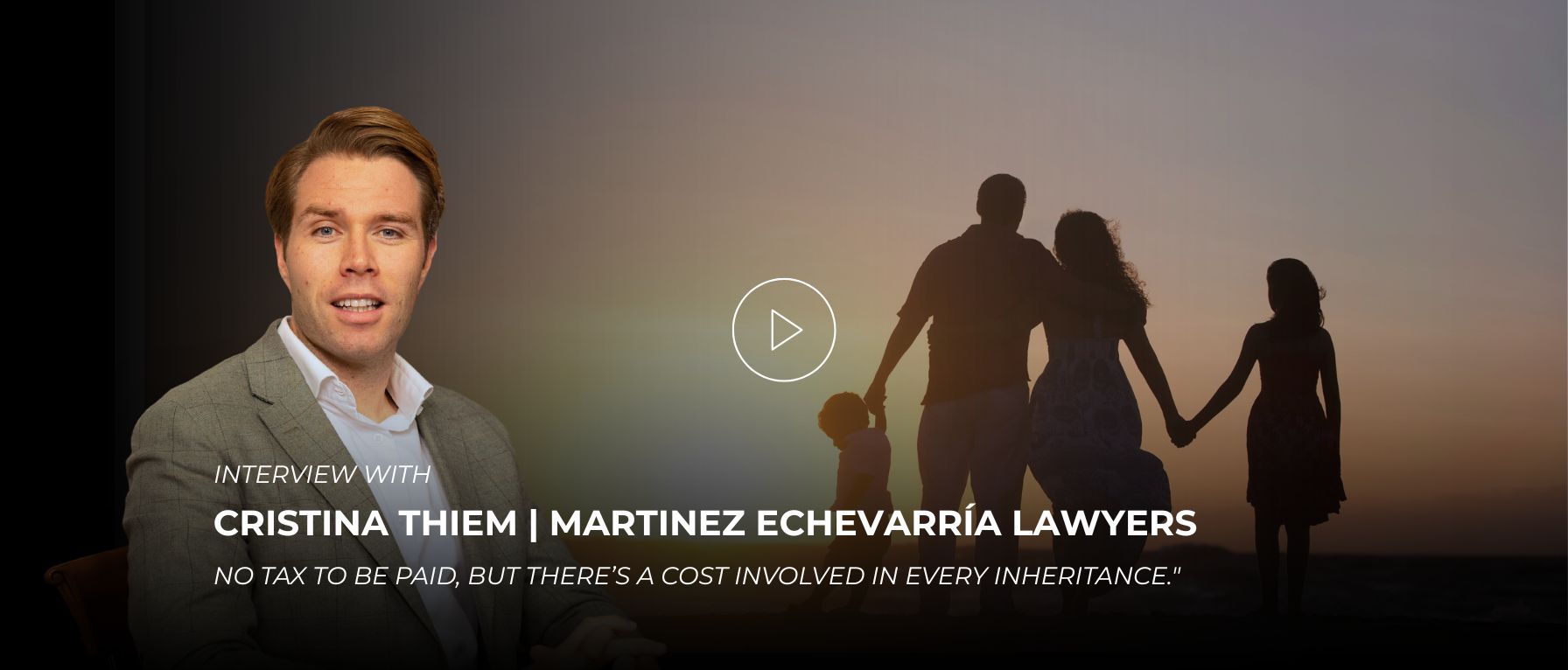
inheritance tax in Spain
The inheritance tax in Spain is one of the fiscal issues that generates the most doubts among residents and non-residents. The complexity of the system lies in the fact that this tax is not regulated uniformly throughout the country, but rather depends on each autonomous community. Therefore, the answer to whether or not this tax exists varies depending on where the inheritance takes place and the degree of kinship between the deceased and the heirs.
In general terms, Spain does indeed have an inheritance tax, the purpose of which is to tax the transfer of assets and rights after the death of a person. However, regional regulations can establish significant reductions or allowances, to the point that in some regions the tax is practically non-existent in certain cases. This is the case in Andalusia, where currently direct heirs do not have to pay this tax.
Below, we will analyze in detail how the tax works, what additional expenses are involved in receiving an inheritance, and what practical and emotional considerations should be taken into account.
Regional differences in inheritance tax in Spain
The Spanish tax system grants autonomous communities the ability to regulate and apply this tax. As a result, the tax burden can be very different depending on the deceased's place of residence.
For example, while in communities such as Asturias, Castilla y León or Aragón the inheritance tax is still in force with relatively high rates, in others such as Madrid or Andalusia the allowances are very broad. In Andalusia, since 2019, heirs in direct line — that is, parents, children, grandparents or grandchildren — are exempt from paying this tax.
This means that if a father leaves a home to his son in Andalusia, he will not have to pay inheritance tax, although he will still have to face other expenses related to the inheritance process.
The current situation in Andalusia: exemption in direct line
Andalusian regulations have sought to favor direct families, practically eliminating the tax burden on inheritances between ascendants and descendants. This change has been a relief for many families, who previously were forced to sell part of the inherited estate in order to meet the payment of the tax.
However, it is important to emphasize that this exemption applies exclusively to the direct line: parents to children, children to parents, grandparents to grandchildren. In the case of inheritances between siblings, uncles, nephews or other more distant relatives, the conditions may vary and there may indeed be a tax liability.
Inheriting without taxes does not mean inheriting without costs
Although in Andalusia direct heirs do not have to pay inheritance tax, this does not mean that the process is free of costs. In fact, there are several unavoidable expenses that must be assumed to formalize an inheritance:
-
Notarial costs: the acceptance of inheritance must be signed before a notary. The cost will depend on the value of the inherited estate.
-
Land registry: after the signing, it is necessary to register the real estate in the name of the heirs, which entails registry expenses.
-
Municipal “plusvalía”: this tax levies the increase in the value of the land from the initial purchase until the death. It is one of the most relevant expenses in an inheritance.
-
Legal fees: if professional assistance from a specialized lawyer is required, their services must be paid. However, this help is advisable to ensure a safe and smooth process.
Therefore, even if one speaks of an inheritance free of taxes in certain territories, it should not be confused with an inheritance free of costs.
Reflection: the emotional weight of an inheritance
Beyond legal and fiscal issues, receiving an inheritance is usually linked to an emotionally delicate moment: the loss of a loved one. In these contexts, uncertainty about the procedures and obligations can increase the burden on heirs.
For this reason, having clear information about the inheritance tax in Spain and the associated expenses is essential. Proper planning can prevent unpleasant surprises and ensure that family wealth is transferred fairly and efficiently.
Practical tips for dealing with an inheritance in Spain
-
Check regional regulations: before starting the process, it is essential to know what the autonomous community in question regulates.
-
Review the documentation: having deeds, death certificates and last wills helps speed up the process.
-
Estimate the approximate costs: having an estimate of notary, registry and “plusvalía” costs allows better resource planning.
-
Seek professional advice: a specialized lawyer can prevent costly mistakes and facilitate management.
-
Plan ahead in life: in some cases, organizing succession through donations or wills can reduce costs and conflicts.
The importance of planning ahead
Planning succession has not only an economic impact but also an emotional one. Preparing the necessary documents and making clear decisions in life can prevent family disputes and relieve heirs of burdens.
In Andalusia, the tax allowance is a significant advantage, but this does not eliminate the need to organize practical aspects. In other communities, the difference between planning or not can make the difference between preserving or losing part of the estate.
Conclusion
The inheritance tax in Spain exists, but its application varies greatly depending on the autonomous community. Andalusia, for example, offers a total exemption for inheritances in direct line, which facilitates the transfer of wealth between direct relatives. However, inheriting is never free of costs, since notarial, registry and fiscal procedures are still necessary.
Facing this process requires not only financial preparation but also sensitivity to the life moment it represents. Having clear information, proper advice and prior planning can make the difference between a complicated experience and a smooth transition.
Frequently Asked Questions (FAQ)
1. Does inheritance tax exist throughout Spain?
Yes, although each autonomous community can establish reductions or allowances.
2. Do you pay inheritance tax in Andalusia?
No, as long as the inheritance is in direct line (parents-children, grandparents-grandchildren).
3. What costs are involved in inheriting without taxes?
Notary, registry, municipal “plusvalía” and, in some cases, legal fees.
4. Do you pay “plusvalía” in an inheritance in Andalusia?
Yes, the municipal “plusvalía” must be paid in all cases.
5. Is it advisable to hire a lawyer for an inheritance?
Yes, it guarantees legal security and speeds up the process.

