How to Buy Property in Spain as an Investment
Are you planning to buy property in Spain as an investment? Whether your goal is to renovate and resell or rent it out short or long-term, it’s essential to understand the legal and tax implications before you begin. Making the right decisions early on can significantly improve your returns and protect you from unnecessary costs. In this article, we’ll guide you through the key considerations, depending on your strategy, nationality, and whether you invest as an individual or through a company.
Investment through renovation and resale: when to use a company
When a buyer is clear that the purpose of the purchase is purely for real estate investment, the buying strategy changes significantly compared to someone looking for a home. In cases where the goal is to renovate and resell in a short timeframe, tax benefits can be substantial if done through a company.
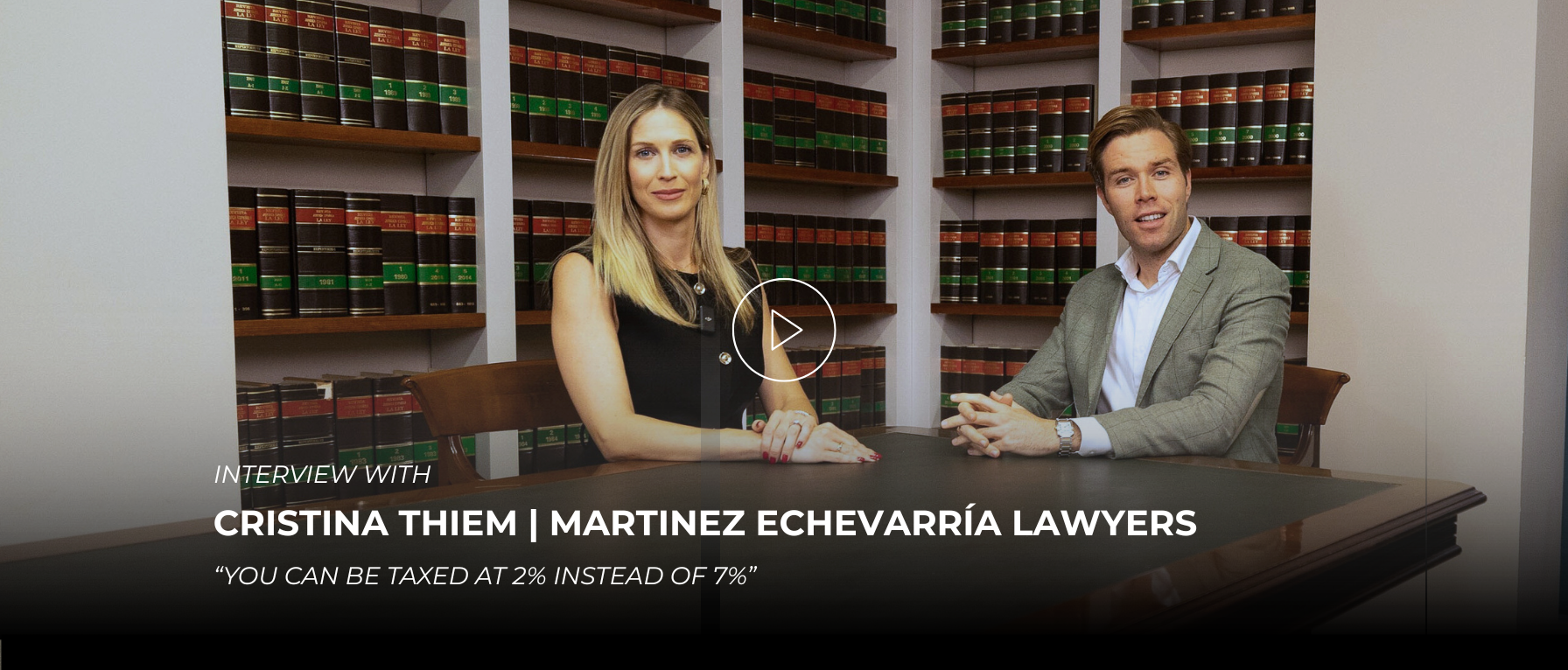
In these scenarios, it's often recommended that the buyer sets up a Spanish company or uses an existing foreign company. This entity would own the property and register under a specific economic activity with the Spanish Tax Agency. This way, the buyer may benefit from a reduced 2% Property Transfer Tax (ITP) instead of the standard 7%.
However, there is a key condition: the property must be sold within five years of purchase. Failing to meet this requirement may result in penalties and the loss of the tax benefit. This strategy is particularly appealing to professional investors, developers, or those who regularly operate in the property sector.
Buying to rent: key differences depending on your nationality
If you plan to buy property in Spain as an investment to rent it out — whether short, medium, or long-term — the most important factor is the tax residency of the buyer.
A EU resident (i.e., someone with tax residency in a European Union country) can deduct most expenses related to the rental activity. This includes mortgage interest, maintenance, cleaning, community fees, and insurance. These deductions apply to the income generated, which directly improves the net return of the investment.
In contrast, a non-EU resident — for example, someone from the UK, Switzerland, the U.S., or Latin America — cannot deduct any of these expenses. As a result, they will be taxed on the total gross rental income, without the ability to offset any costs. This significantly affects the financial viability of the investment unless properly planned in advance.
Spanish companies as a solution for non-EU investors
For non-EU investors who want to maximise rental returns, a practical solution is to establish a Spanish company that owns the property. In doing so, the investor will be taxed under Corporate Tax instead of the Non-Resident Income Tax (IRNR), enabling access to tax deductions and a more flexible structure.
This approach is beneficial not only from a tax perspective but also operationally. It allows the investor to manage multiple properties under a single entity, maintain professional accounting, and in many cases, build stronger relationships with local banks and service providers. This is an ideal strategy for those looking to develop a long-term property portfolio or carry out ongoing real estate activity in Spain.
Practical implications and preparatory steps
As we’ve seen, there are important differences between buying property in Spain as an investment as an individual or through a company — and between EU and non-EU buyers. That’s why we recommend seeking legal or tax advice tailored to your specific situation before starting the process.
There are also practical steps you can take from your home country to streamline the purchase. For example, if you don't yet have an NIE (Foreigner Identification Number), you can sign a power of attorney abroad so your lawyer can obtain it for you. Appointments usually take 3 to 4 weeks, so it's best to prepare early.
If your investment requires financing, it’s also a good idea to start gathering financial documentation for the bank in advance. This includes more than payslips — you’ll need tax reports, bank statements, and certified translations if the documents are not in English or Spanish. Taking care of this early can save 4 to 6 weeks, which may give you a competitive edge in fast-moving deals.
Conclusion
Investing in Spanish real estate can be a smart financial move — if it's structured correctly from the beginning. Whether you buy as an individual or through a company, and whether you're an EU or non-EU citizen, these choices directly impact your taxes, deductions, and overall profitability.
If you’re seriously considering buying property in Spain as an investment, consult with a qualified legal advisor to ensure you select the best legal and tax setup for your needs. With smart planning, you can reduce taxes, close deals faster, and thrive in a competitive real estate market.
Frequently Asked Questions (FAQ)
1. Can I buy rental property if I'm not a Spanish resident?
Yes, but if you’re not from the EU, you can’t deduct expenses and must pay tax on the gross income.
2. How much can I save by buying through a company?
Up to 5% on the Property Transfer Tax (ITP), if the resale is completed within five years.
3. Does the company need to be based in Spain?
Ideally, yes — especially to benefit from deductions and manage rentals efficiently.
4. How long does it take to get an NIE?
Around 3 to 4 weeks. It can be expedited with a power of attorney from abroad.
5. Can I get a mortgage if I buy through a company?
Yes, but the process is more demanding and requires strong financial documentation.
Need help structuring your property investment in Spain? At FM Properties.es, we guide you every step of the way.
Visit our website or speak with one of our legal partners.

